
F.A.Q.
if you cannot find the answer to your question then please send via contact page
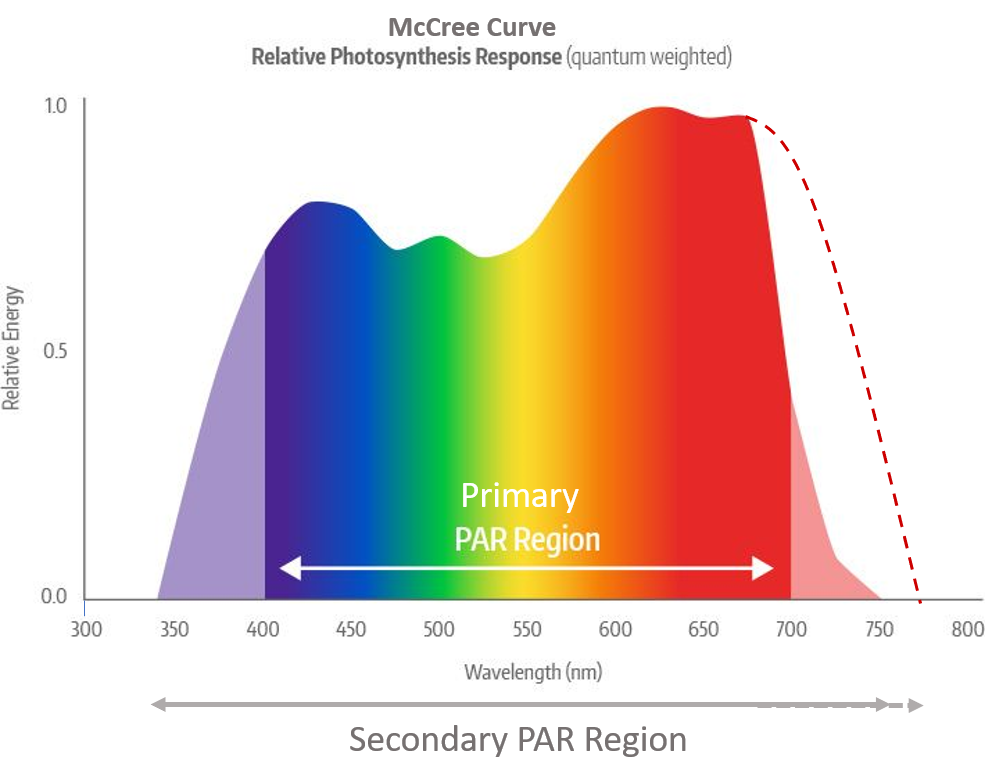
This depends on the crop that you are growing and the environment that you are growing in. For example, tomato crops grown in a greenhouse can be very efficiently and effectively lit with a 95% red and 5% blue light. Conversely, a basil plant grown in a vertical farm benefits most from a broad spectrum light of approximately 4000 K.
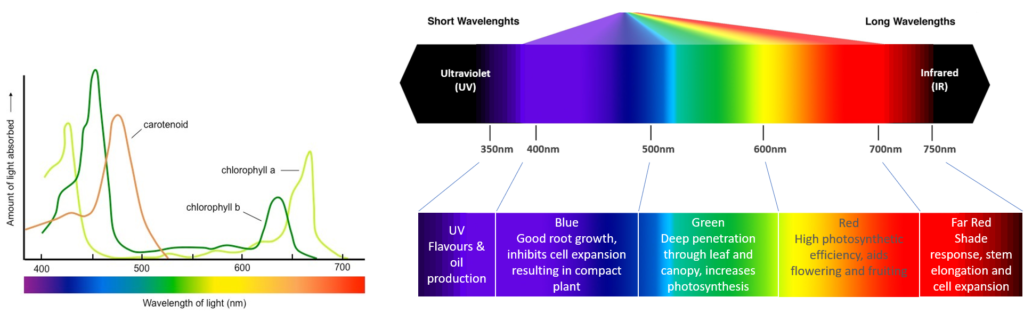
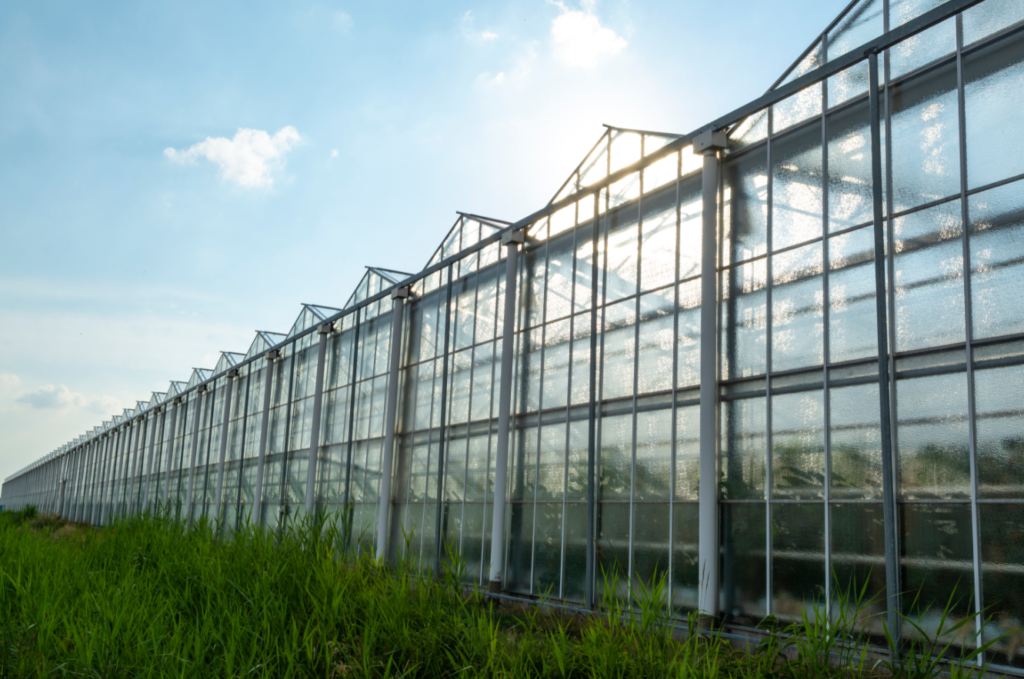
In glasshouses, we would recommend using red/blue/far red in proportions of approximately 95%/4%/1% for tomatoes, peppers, cucumbers and strawberrie. For fully internal growing (i.e. no sunlight), we would recommend a broad spectrum light (3000K to 4000K), high CRI with additional 4% of far red for bushy crops, basil, and salad crops.
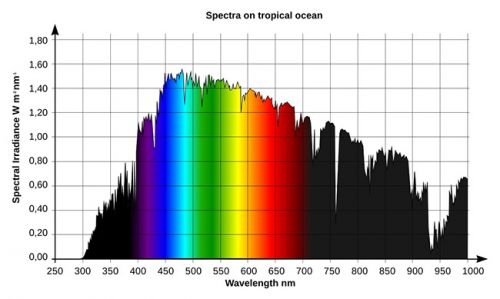
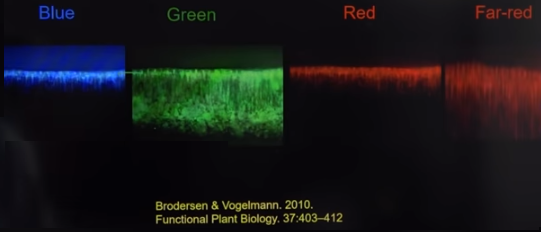
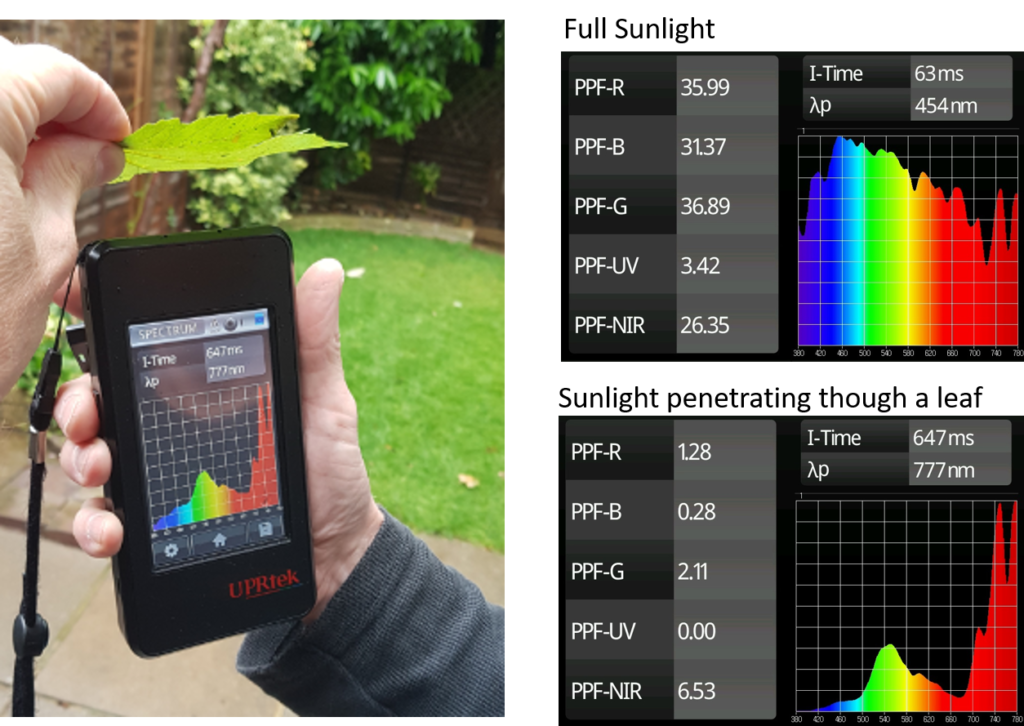
Plants appear green to the human eye because they reflect a portion of the green spectrum. It was long believed that as a result, green was not used in photosynthesis. However, studies conducted over the past few years have shown that green plays a very big part in the photosynthetic process (see explanation above). In a glasshouse, natural sunlight provides this part of the spectrum which is why a red/blue light is sufficient. In a fully indoors environment, broad spectrum lights with a large portion of green result in a very good quality plant with improved plant development.
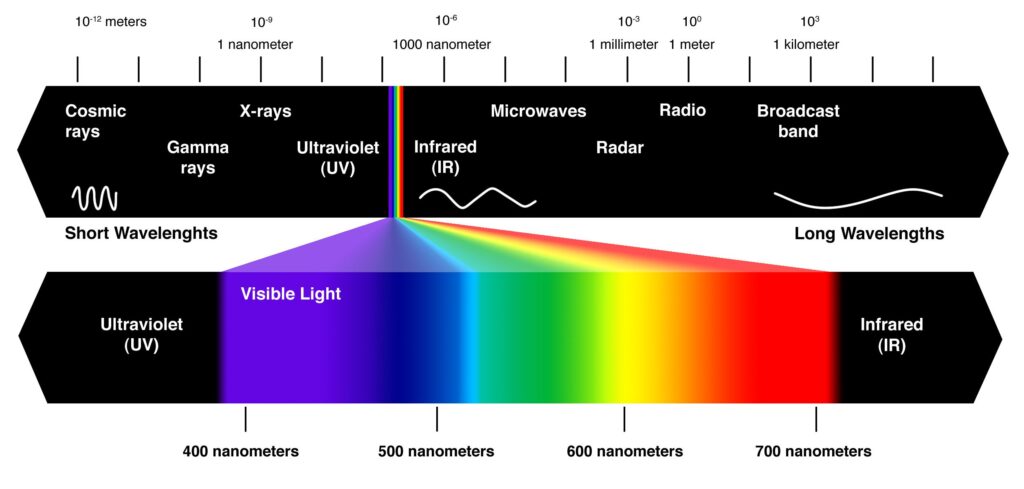
Infra red light in the range 700nm to 730nm increase plantcell growth resulting in a taller plant but also triggers a flowering signal in the plant resulting in very strong flower development and increased yield.
UV light can be used to help reduce the potential build up of mildews and other pathogenic growths and can also increase flavinoid production. However, if used too much it can stress the plant. It is best to buy a separate UV module and only use it for about an hour a day in the final two weeks before harvest or if you have a mildew issue.